Sunday, 6 November 2022

assignment paper - 202 (Semester - 3)

Untouchability in the poem 'one eyed' by meena kandasamy.


Name - Himanshi Parmar

Semester - 3 (Three)

Roll Number - 8

Email. Id. - himanshiparmar3004@gmail.com

Enrollment number - 4069206420210025

Paper number - 202

Paper name - Indian English Literature – Post -Independence

Subject Code - 22407


Introduction

Untouchability is one of the regid problems not only in India but around the world. In India we have caste based distinction. We have four distinctions: 1- Bramhins, 2- Kshatriya, 3- Veshya and 4- Kshudra. Brahmins are considered as a Superior then Kshatriya, then Veshya and at last Kshudra were considered as the inferior among all. Among them we have castes based sub distinctions like SC/ST/OBC etc. Since ancient times, lower caste people have been suffering from various problems like marginalization,lack of opportunities, and untouchability by upper caste people. The roots of it go so deep that they don't even think to raise their voice. Meena Kandasamy in her poem tries to raise voice against the problem of untouchability. But before that it is important to understand what untouchability means.

Definition and meaning of Untouchability.

According to Prof. Satyavrata, “Untouchability is that system of society on account of which one individual cannot touch another individual and one society cannot touch another society on the basis of convention and if so touches, becomes profane and in order to remove that profanity has to perform penance.”

According to Kailash Nath Sharma, “Untouchable castes are those whose touch makes a person profane and has to perform certain atonement.”

Dr. D. N. Majumdar said that, “The untouchable castes are those who suffer from various social and political disabilities, many of which are traditionally prescribed and socially enforced by higher castes.”

In the ancient Hindu literature, the untouchables are referred to by such terms like the ‘Antyaja’, the ‘Panchame’, the ‘Chandala’ etc. Till recently, they were known as the ‘depressed castes’ and the ‘exterior’ castes.Gandhiji called them ‘Harijans’, the people of God.The term is most commonly associated with treatment of the Dalit communities in the Indian subcontinent who were considered "polluting". The term has also been used to refer to other groups, including the Burakumin of Japan, the Baekjeong of Korea, and the Ragyabpa of Tibet, as well as the Romani people and Cagot in Europe, and the Al-Akhdam in Yemen.

About Meena Kandasamy
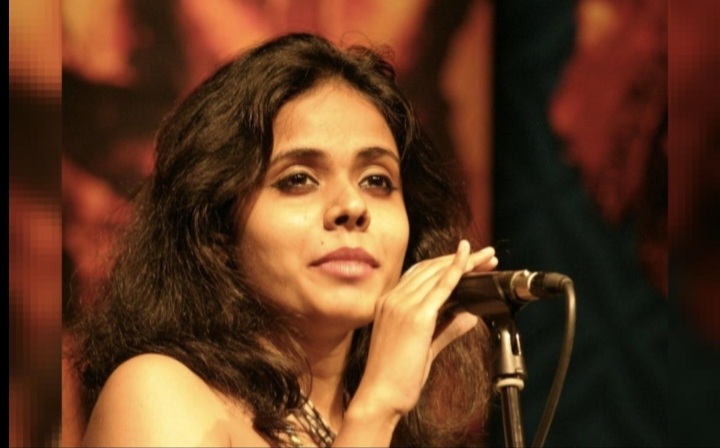

Full name of Meena Kandasamy is Ilavenil Meena Kandasamy. She was born on 12 October 1984, and is 38 year old now. She is a well known Indian poet, fiction writer, translator and activist.She represented India at the University of Iowa's International Writing Program and was a Charles Wallace India Trust Fellow at the University of Kent, Canterbury, United Kingdom. Until now she has published her two collections of poetry, 1) Touch (2006) and Ms. Militancy (2010). She has also received many awards like Hermann Kesten Prize (2022) by PEN Centre Germany. Her poems are mainly on caste annihilation, feminism and linguistic identity.Meena works closely with issues of caste and gender and how society puts people into stereotypical roles on the basis of these categories. She also many times get attacked verbally for raising her voice against injustice with Dalit and other lower castes, though she never give up and continue writing, speaking, raising herself. Here is one quote of her that shows her fearless self of her.

“I am the woman who is willing to display her scars and put them within exhibition frames. I am the madwoman of moon days. I am the breast-beating woman who howls. I am the woman who wills the skies to weep in my place.”         
-Meena Kandasmy


Untouchability in 'One Eyed'

Poem -

The poem One Eyed is the most prominent poem of Meena Kandasamy.Meena Kandasamy always sketches the weakness and struggle of the Dalits in her poems. In her poem, "One-Eyed", she delineates the continued existence of oppressive structures of caste, class, race and gender domination within Indian society. "One-Eyed” was published in Ms.Militancy.The poem is about a little girl named Dhanam, who was belonging form Dalit caste. The poem talks about how Dhanam was treated by her own teacher at school for touching an untouchable pot and drinking water from that pot. The very beginning lines are showing how Dhanam was thirsty and so that she break rule and drank a glass of water from the place where she was denied to touch because she is Dalit.

the pot sees just another noisy child
the glass sees an eager and clumsy hand
the water sees a parched throat slaking thirst
but the teacher sees a girl breaking the rule

The lines are showing that even the pot, glass and water kind of nonliving things feel pity for her but not her teacher. Later the poem has a lines like,

the doctor sees a case of medical emergency
the school sees a potential embarrassment
the press sees a headline and a photofeature.

These lines show treatment with Dhanam after touching the pot and drinking water. The lines showing cruelty and greediness of society. Everyone is aware about what happened with Dhanam but no one really cares for her. They are seeing Dhanam, not as tortured girl but like a object. For example doctor seeing her as a new case of medical emergency, school thinking about potential embarrassment, and press seeing headline and photofeature. No one here thinking about Rights of Dalit, and injustice, harassment happening to them in society. Just because they are from lower caste, they are subalterns they got no attention. Water is a natural resource and it never gulps but sacrifices itself to all creatures in the world. But some human beings divide water for the upper caste and water for the lower caste. It is very nonsensical to think deeply about the classification and caste system which still prevails in some places.

  Last few lines saying what was the condition of Dhanam after getting slapped by her teacher.

dhanam sees a world torn in half.
her left eye, lid open but light slapped away,
the price for a taste of that touchable water.

The children of the low castes were denied the right to drink water with the other; Dhanam was slapped severely when she drank. The price for tasting that untouchable water is nothing but a slap and because of that her one-eye is damaged. She sees the torn world but not a complete one. In her eyes, the world seems to be a partial one and it shows partiality to a particular group or between upper caste and lower caste. Meena Kandasamy raised voice for Dalit as specially.Human beings are born equal in dignity and rights. But basic rights such as right to live, right to protest, right to express oneself, right to live safely from violence and torture, and so on are being denied to the marginalized communities.

Present time relevance

It is not just this poem or other poems of Meena Kandasamy which showing Dalit problems and untouchability as a worst. It is not just an imagination of course. We find many examples of this harassment in real life also. Here are some newspapers proving the point,
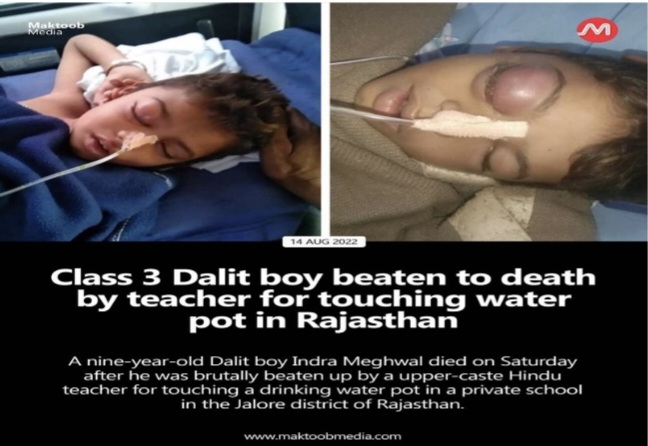

Here is the same incident like Dhanam happened in Rajasthan, published by India Today Newspaper. A nine year old Dalit boy forced to death after drinking water from an untouchable pot in private school. He allegedly beaten by a teacher. The incident happened in private school of Jalore district in Rajasthan. Just because he is dalit he got beaten up for drinking water. And still he get limited to highlights, emergency case and photofeature in society, why so? Because he was from lower caste. It is not just one incident but there are many examples of rape, harassment, death etc we find in society. There is one another example here,


A 19 year old Dalit woman in India's northern State of Uttar Pradesh became victim of Gang rape and died mercifully. She was raped by four upper caste men. After fighting for her life for two weeks she died in a hospital in New Delhi.

Conclusion

Against all this injustice, Meena Kandasamy's poems raising voice and favouring Dalit. Making people aware about their suffering and pain. But we still didn't find remarkable changes in the situation. People are time and again starting understand and becoming aware about problems of dalit but still we need many changes. And for that dalit and other subalterns has to speak. One has to protest their own rights by themselves. Here, concluding my point with a quote of Challapalli Swaroopa Rani,

"Dalit women poets feel strongly that dalit women issues had not been adequately represented in the mainstream.Condemned of centuries to a life of bondage, basic needs and questions of survival are still central for dalit women".


References 

Lone, Javed Ahmad."Meena Kandasamy: The Angry Dalit Voice", Meena Kandasamy: " The Angry Dalit Voice", 2012,p. 10. Research gatehttps://www.researchgate.net/publication/260285097_Meena_Kandasamy_The_Angry_Dalit_Voice

Kandasamy, Meena. “One-Eyed”. Ms. Militancy. New Delhi: Narayana Publishing House, 2016. Print.

Rathi, V P. “Savage Treatment of Untouchables in Meena Kandasamy's ‘One-Eyed.’” Savage Treatment of Untouchables in Meena Kandasamy's "One-Eyed", V. P. Rathi, June 2020, https://www.researchgate.net/publication/342466334_Savage_Treatment_of_Untouchables_in_Meena_Kandasamy's_One-Eyed.

assignment paper - 201 (Semester - 3)

Title :- class conflict and caste conflict in 'The Curse or Karna' and in Present Time.


Name - Himanshi Parmar


Semester - 3 (Three)


Roll Number - 8


Email. Id. -  himanshiparmar3004@gmail.com


Enrollment number - 4069206420210025


Paper number - 201


Paper name - Indian English Literature – Pre-Independence


Subject Code -  22406


Before knowing about Class conflict and Caste Conflict in 'The Curse or Karna' and in present time. It is important to understand what the term Class and Caste means.  Here are some most important definitions of it.

Definitions of Caste

One very famous definition of caste given by Ketekar – in his book "History of caste in India”  "Caste is a social group having two characteristics (a) membership is confined to those who are born of members & includes all persons no born (b) the members are forbidden by an inexorable social law to marry outside the group.”

The another definition,In his book ‘The Caste System Of Northern India’ - E. Blunt gave definition that - Caste is an endogamous group bearing a common name, membership of which is hereditary, imposing on its members certain restrictions in the matter of social intercourse, either following a common traditional occupation a claiming a common origin & generally regarded as forming a single homogenous community. (Pg-12)

According to Charles Coole – "When a class is somewhat strictly hereditary, we may call it a caste."

According to Herbert Kisley – "Class is a collection of families or group of families bearing a common name which usually denotes or is associated with specific occupation, claiming descent from a mythical ancestor, human or divine, professing to follow the same heredity callings & regarded by those who are competent to give an opinion as forming a single homogenous communities."

Definitions of Class

The very first definition of class given by Max Weber, held that "classes are aggregate of individuals who have the same opportunities of acquiring goods. The same exhibited standard of lining."

Another definition is of Mac Iver & Page - "A social class is any portion of community marked off the from the rest by social status 'Ongburn & Nimk off. A social class is the aggregate of persons having essentially the same social status in a given society." i.e. a class consciousness.

Next definition is of P.Gisbert - "A social class is a category or group of persons having a definite status in society which permanently determines their relation to other group – feeling of superiority & inferiorities. The relative position of the class in the social scale arises from the degree of prestige attached to the status.

Last definition here taken is of Hoebal defines that, "A social class is a group within a society, whose members hold a no. of distinctive status in common & who through the operation of roles associated with these status, develop are awareness of the life interest as against the unlike trait & interest of other groups."

In short class and claste both are somehow problematic but are different from each other. Class is rely on money, status and position. Where else caste is totally based on our uncertain birth. We can not make any change in it. But with hard work and opportunities we can build our class. Class is changeable, Caste aren't. In 'The Curse or Karna', T. P. Kailasam raised both issues, class conflict and caste conflict.

About 'The Curse or Karna' and T. P Kailasam

The Curse or Karna is a well known book written by T. P. Kailasam. The book was first published on 1946 by ಬಿ. ಎಸ್. ರಾಮ ರಾವ್. The book was probably written in English. The reference of the book is taken from the well known myth of 'Mahabharata'. The plot was well constructed by T. P. Kailasam.

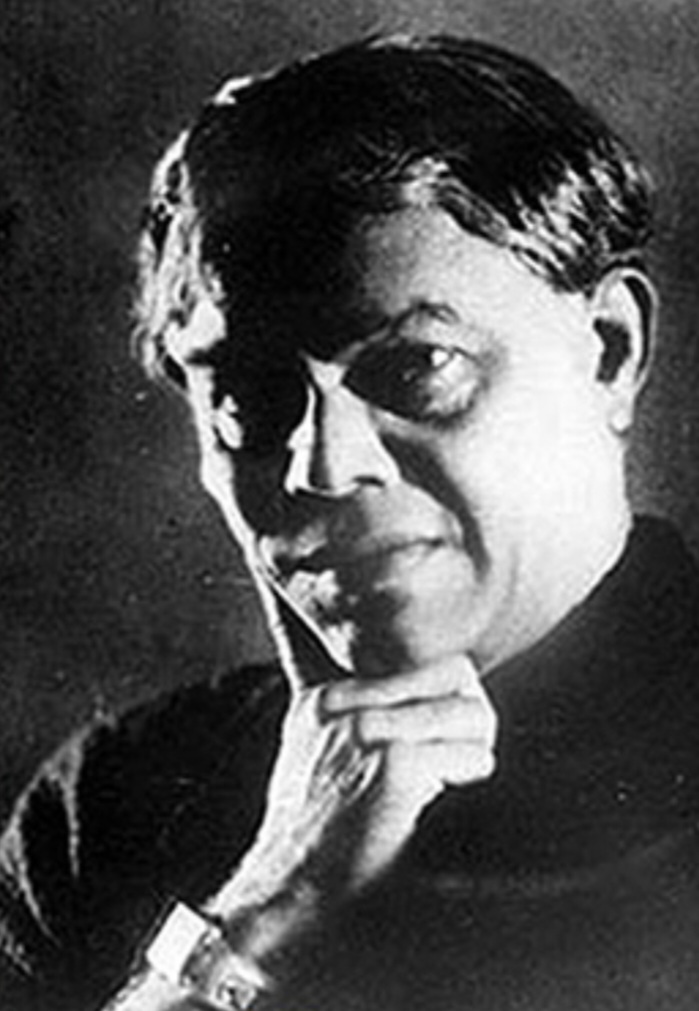
Full name of T. P. Kailasam is Tyagraj Paramasiva Iyer Kailasam. He was Born on 29 July 1884, in Mysuru and died in 1946, in Bengaluru. He was a well known playwright and prominent writer of Kannada literature. Because of his great contributions in Kannada theatrical comedy he earned the title of Prahasana Prapitamaha, "the father of humorous plays" and later he was also called "Kannadakke Obbane Kailasam" meaning "One and Only Kailasam for Kannada". He wrote lot many plays during his lifetime, some of them are,

1- Huttadalli Hutta (Waels Within Weals)

2-Poli Kitti, The Story of a born scout.

3-Bahishkara

4-HomeRoolu

5-NamkLabbu

6-Seekarne Saavitri

7- Sattavana Santhaapa etc.

English plays of him.

1)Fulfilment.

2)Purpose.

3)The Brahmin's Curse.


  Class and Caste conflict in ‘The curse or Karna’ and in Present time.

In 'The Curse or Karna' we find class and caste conflict in various fields like Education, Marriage etc.we find caste based conflict between 'Bramhins', 'Kshatriya' And 'Sutha'. As The Curse or Karna influenced by The મહાભારતા, it has monarchy. And because of that we also find Class conflict and rich - Poor conflicts. For example conflict between Pandavas and Karna. Also we find conflict of position, for example conflict between Kauravas and Pandavas as Kauravas are sons of the King, they hold the upper position. In present time also we find lots of examples of Caste and class conflicts that will be discuss later.

1] Caste and Class conflict in Education system.

The first conflict we found between Raama and Karna. Raama, representation of the mythical character 'Parshram' from Mahabharata decided to give education to Bramhins only, not to Kshatriya or any other caste students. Karna introduced himself as a Bramhin and became Raama's disciple. He learned all the 'Vidhyas' from Raama, There is one incident of last day of his student life, where his 'guru' (Raama) sleeping by putting his head in lap of Karna and suddenly one beetle sting to Karna, he didn't reacted because he thought his guru might interpret because of his reaction on pain. Blood flows down to the feet of Raama and he suddenly awakens. Because of the heat of Karna's blood he came to know of his identity as a Kshatriya and cursed him that whenever someone reminded him of his Sutha identity (Subaltern identity), he would get paralyzed.


Here we find caste conflict. Four caste based distinctions we had in India in ancient time, 1- Bramhins, 2- Kshatriya, 3- Veshya and 4- Kshudra. Brahmins are considered as a Superior then Kshatriya, then Veshya and at last Kshudra were considered as the inferior among all. Raama doesn't want to give education to Kshatriya as he has personal grudge with them, but then why did he decide to give education to Bramhins only, and not to 'Veshya and Kshudra'. Just because they are inferior to Bramhins he refused to give education to them. Karna was also cursed because he wasn't Brahmin but a Kshatriya.  The words of Raama are this,


IF EVER YOU SHOULD HENCEFORTH  SORELY NEED THE USE OF ARMS  YOU’VE LEARNT OF ME.......THE BAREST   TALK, THE MEREST THOUGHT OF THY  SUPPOSED SOOTHA BIRTH CROSSING THY  MIND...WILL SWELL THY HEART TO  SENSE OF SHAME, WILL DULL THINE  EYES AND MIND, NUMB AND PARALYSE  THY LIMBS BEYOND THEIR PO’WR_ TO  HELE. THER. MAKEN THES SLIGHTEST SMALLEST USE OF KNOWLEDGE THAT  YOU’VE LEARNT OF ME! AVAUNT!  AVAUNT!, ERE I INFLICT A FURTHER  CURSE ON THEE! (Raama to Karna) (Act - 1)

 Another conflict in the education system we find from Guru Drauna, Jupiter of Pandavas and Kauravas. Who impart education to Princes (Kshatriya) only. In act two we find one scene when Karna willing to compete with Arjuna but denied by Guru Drauna and others as he is Sutha not Kshatriya, another reason is he is not a Prince but a common man. Here we find both Caste and class conflict. Even though Karna is more capable than all Pandavas he is marginalized by his identity as sutha and as he is poor (class conflict). Bheema reminded him of his sutha identity at the end of Act - 2 and he got paralyzed. All the acts end with similar dialogues.

POOR KARNA! POOR, POOR KARNA!

“OUR ANGA!” “OUR GREAT ANGA!”

 "OUR POOR POOR ANGA”!


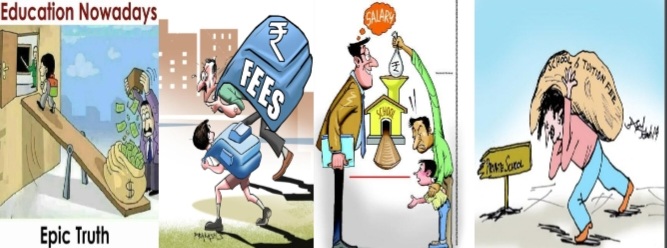
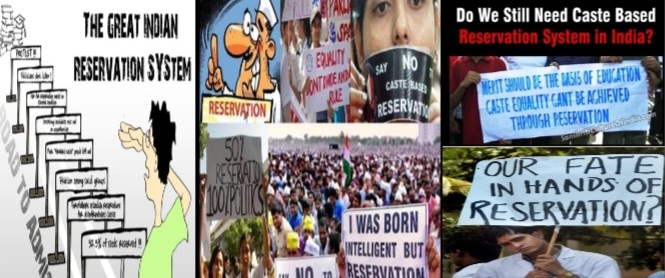
 In current times we also find such conflicts.privatization in the education system creates the biggest class conflict. Due to privatization of education people are attracted towards it. High buildings, big attractive posters, and greedy advertisements are enough to attract people but not all the people are financially capable to pay fees of private, fascinating schools / Colleges. Only the rich are able to put forth a good education and all the facilities. This shows how lower class people couldn't afford to dream about higher, good qualitative education. And that's the reason why the government passed a reservation system for lower class and caste people (SC/ST/OBC). As they never got Chance to study high since ancient times, we have examples of Karna as a Sutha and marginalized one. Our reservation system proves class and caste conflict in society. Here are some posters showing current class, caste conflict.


2] Class and Caste conflict in the marriage system.

In act - 2, there is one scene of paanchaalee's Swayamvara. All the kings and Princes were invited. The conditions were given by the father of Paanchaalee that, Whoever can pierce the eye of the fish will marry Draupadi. Karna was also there with his friend Suyodhana, elder Prince of 'Hastinapur'. Karna catches the challenge and shows his willingness to fulfill the condition but at last moment Paanchaalee interrupts him and denies that she could not marry him. The reason she gave is that he is Sutha and a Kshatriya girl cannot marry Sudha. After listening to this he got paralyzed again as at the end of each act. We find insulting dialogues by Paanchaalee to Karna.

Paanchaalee :

Arm and form apart, what blood is he? What Royal House?


Later added,

WHAT INSULT THIS, YE GODS

[ABOVE! WITH ME A DAUGHTER OF A KING, A SOOTHA'S SON]

MY SPOUSE!.... GOD FORBID!


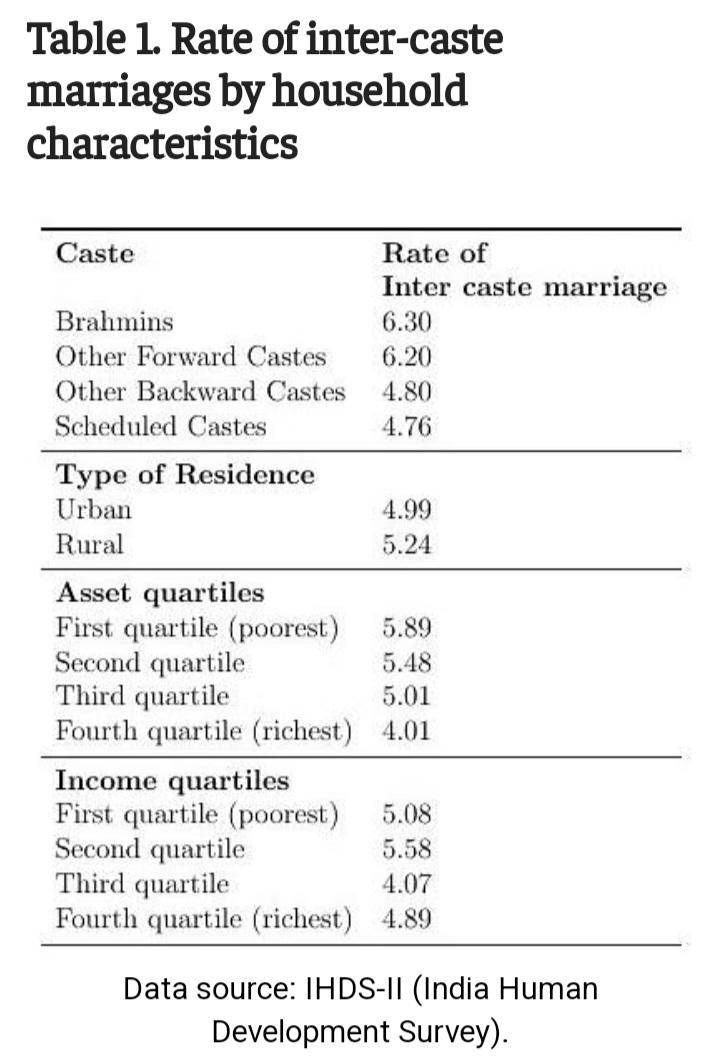
In current times the situation is quite different. We find social barriers in inter-caste marriage. Where in ancient times the father of Paanchaalee had no objection to her marriage with Karna, but Paanchaalee had.In present time society doesn't allow for inter-caste marriages. Here is one report of 'Rate of inter - Caste marriages by household characteristics' from Indian Human Development Survey (IHDS- 2)

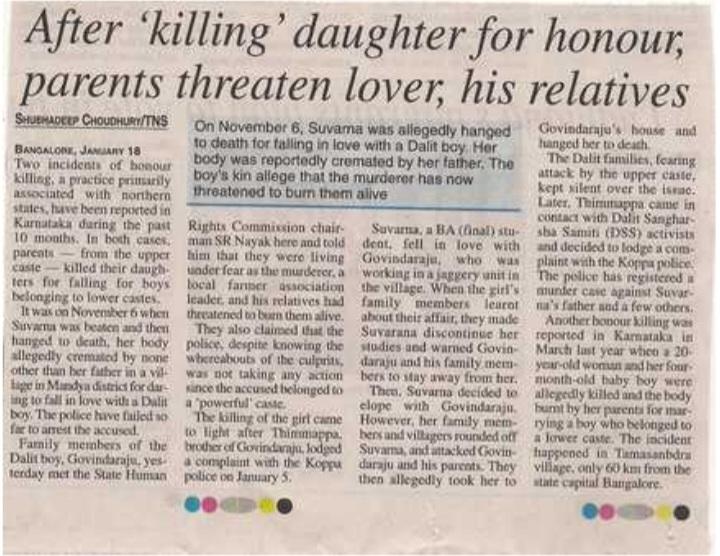
The report is saying that Bramhins are at the top in Inter - Caste marriages. Then other forward castes and at last Backward castes. This shows how all the positive and beneficial changes begin from the upper class and are later imitated by Backward people or castes. We can interpret this report that the upper caste get more opportunity and social freedom than lower/backward castes. Upper and Forward Castes are beginners and Backward/Scheduled Castes are imitators. Here are some newspaper cuttings about people's suffering when they or someone from their family marry out of their caste. Most of this news are about Dalit families, which again showing caste differences and conflicts.

paanchaalee's Swayamvara and today's condition 

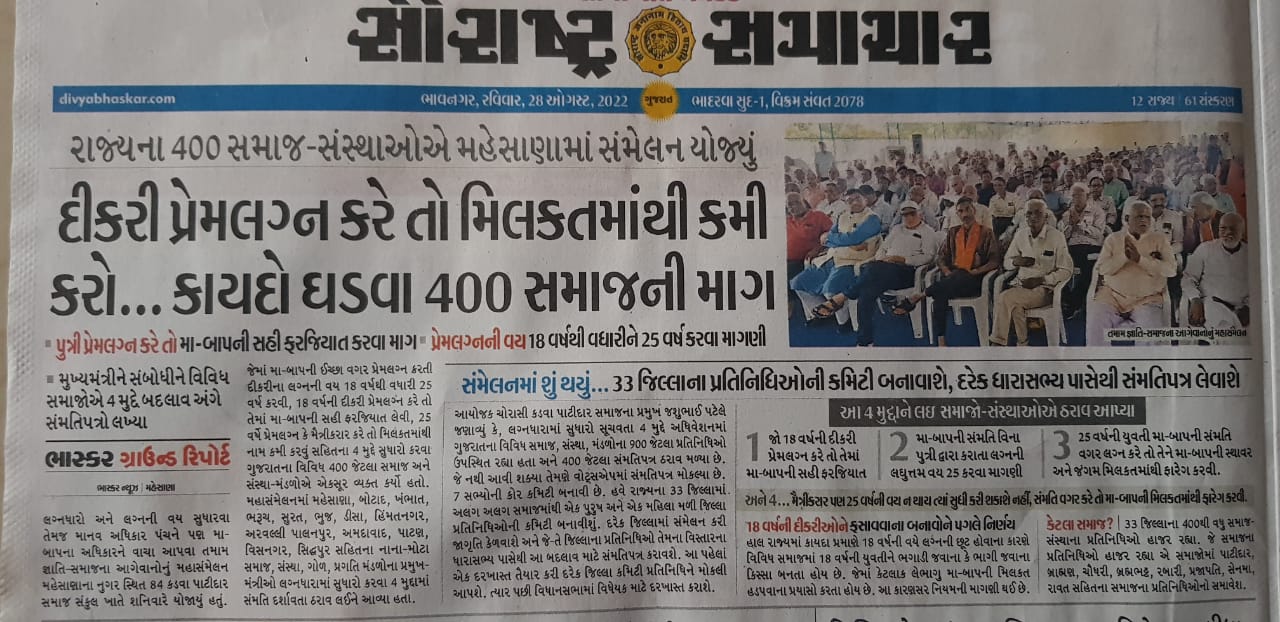
In paanchaalee's Swayamvara we find all the men together to decide whom to paanchaalee should marry. And her personal choice plays no role here. Here we find the patriarchal condition of our society. Either we pick Sita, Paanchaalee, or another woman from ancient myth, we find they are always treated as an object or we can say reward which the father decided to give and the kings and Princes come to win. Their personal choice was not valued. And this situation of women is in the upper caste mostly. In present also we find the same situation, watch this newspaper cutting,

It is showing how almost 400 castes came together to make a law that if their daughters will marry the boy from out castes, let them not give share in property. And if you see the list of 400 castes, most of them are upper  castes like Beamhins, Patidaar, Chaudhuri etc.


Subaltern cannot speak

There is one very famous essay by Gayatri Chakravorty Spivak titled 'Can Subaltern Speak?'. In which she concludes that 'Subaltern Cannot Speak' because they never get the space to speak. In Karna's character we find it right. There is a scene in Act - 4, where Pandavas and Kauravas are playing 'Dhyut' (Gamble). Pandavas lose everything in the game, including their wife Draupadi (here Paanchaalee). Kauravas shamelessly started humiliating Draupadi. No one from the throne room raises a voice even though the king, Bramhins, and other respected / High status people are sitting there. Only Karna raised his voice against this injustice, but he is son 'Sutha' or we can say Subaltern identity, so he was marginalized by Suyodhana, his own dear friend. Suyodhana reminds him of his Sutha identity and again he gets paralyzed.  This is how Gayatri Chakravorty Spivak proved right, as Karna didn't get a chance to speak.


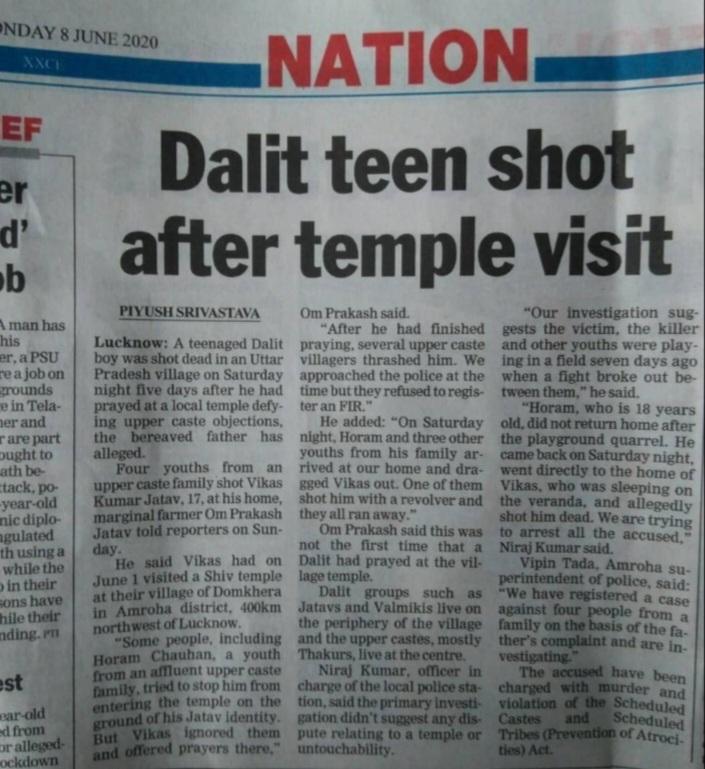
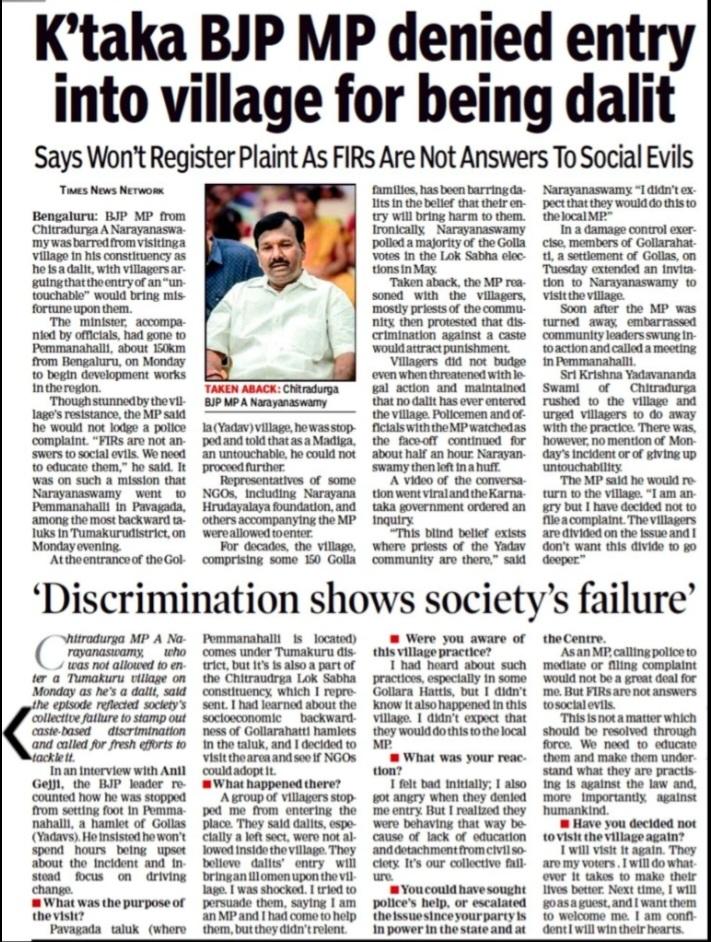
In present time also situation are not changed, Dalit and other subalterns get insults, disgust from upper castes. Even though they are holding good, higher positions. To prove my point, here i have mentioned several newspaper cuttings, which is showing how a well known politician denied entry into village for being Dalit. Also the situation is still not getting better. Still people are suffering because of caste conflicts. Which is proven by other newspaper cuttings mentioned here, one is saying 'A Dalit teen shot after temple visit', the second is 'Dalit youth stabbed to death for using Village road. We can interpret that in villages Caste conflict is higher than urban areas.


Conclusion :

Thus to conclude we can interpret that Caste conflict and class conflict both are rigid problems, since ancient time to now,  Which required solution. Caste conflict is more rigid than class conflict. Because one by hard work can change their class but caste can not be changed in any way. The question still exists: can we ever get a solution to these problems? Can the situation ever get better?


References :-


Blunt, E.A.H. “The Caste System of Northern India : E.A.H Blunt C.I.E : Free Download, Borrow, and Streaming.” Internet Archive, Public Resource, 25 Jan. 2017,https://archive.org/details/in.ernet.dli.2015.187247/page/n95/mode/2up?q=hereditary.


“Class System.” Class System, Definition Of Class, Class System Sociology, Class System Definition Sociology, Difference Between Caste And Class System, Civil Service India , https://www.civilserviceindia.com/subject/Sociology/notes/class-system.html.


Kailasam , T. P. “The Curse or Karna : T. P. Kailasam : Free Download, Borrow, and Streaming.” Internet Archive, ttscribe1.Sok, 1 Jan. 1970, https://archive.org/details/unset0000unse_h8e3.


Ketkar, S. V. “History of Caste in India : Ketkar, S.V. : Free Download, Borrow, and Streaming.” Internet Archive, Public Resource , 1 Jan. 1970, https://archive.org/details/in.ernet.dli.2015.532372.


M.A. (English) Semester -3 Important Materials


Paper - 201

Unit - 2
The curse or karna.

~ Deconstruction of myth in the curse.
~ Class and caste conflict.
~ Karna as a subaltern.
~ Unsung hero of Mahabharata.
~ Themes.
~ Summary.

Just points, tap to read


Unit - 3
To a hero worshipper - Sir Aurobindo (original poem)


Unit - 4
An Astrologer's day - R. K. Narayan.


Crime and Punishment


Unit - 1
The Home and The World - Rabindranath Tagore


- About Rabindranath Tagore
- Factual details about 'The Home and The World'.
- Character sketches of Bimala, Sandip, Nikhilesh.
- Gender role in novel.
- Failure of Nationalism.
- Tradition VS Modernity.
- 'Home and the World' as a political novel.
- Narrative Technique in the novel.

Paper - 202
Unit - 3 Final Solution.


Unit -4 Three Prose Writers


Paper - 203 Postcolonial Studies

Unit - 1 The Wretched of the Earth.


Manichaeism means in a colonial context. And other question in short with the reference to 'The Wretched of the Earth.'


Wide Sargasso sea


Paper - 204

Derrida and Deconstruction


Film studies


Unit - 3 Digital Humanities


1- What is Digital Humanities?
2- What are Some Types of Digital Humanities Research?
3- What are Some Types of Digital Humanities Research Tools?
4- What are the Benefits of Digital Humanities?
5- What is the Future of Digital Humanities?
6- What to Expect from the Future of Digital Humanities?
7- How Does Digital Humanities Affect the World – Conclusion.

Paper - 205

Unit - 2
Five types of Cultural studies.


Friday, 28 October 2022

Talks by Chimamanda Ngozi Adichie


Hello, I am Himanshi Parmar, student of MK Bhavnagar University. This blog i have written as a response to Thinking Activity, Which is a Part of my academic Work. Which we get after each unit. In this blog, i am going to discuss about three video talks by Chimamanda Ngozi Adichie. Before that it is important to understand who Chimamanda Ngozi Adichie is.

Chimamanda Ngozi Adichie

Chimamanda Ngozi Adichie Was born on 15 September 1977. She is Nigerian writer. She is known for writing fiction, short story, novel etc. She was described in The Times Literary Supplement as "the most prominent" of a "procession of critically acclaimed young anglophone authors, is succeeding in attracting a new generation of readers to African literature", particularly in her second home, the United States. She is known by her pen name Amanda N. Adichie. She was received numerous awards like In 2008, she was awarded a MacArthur Genius Grant. She was the recipient of the PEN Pinter Prize in 2018,MacArthur Fellowship (2008)International Nonino Prize (2009) etc.

She is known for her works like novels 'Purple Hibiscus' (2003), 'Half of a Yellow Sun' (2006), and 'Americanah' (2013), the short story collection 'The Thing Around Your Neck' (2009), and the book-length essay 'We Should All Be Feminists' (2014).Her most recent books are 'Dear Ijeawele, or A Feminist Manifesto in Fifteen Suggestions' (2017), 'Zikora' (2020) and 'Notes on Grief' (2021) and many more. Watch this video to know more about her.


   Talk - 1

The Danger of a Single Story.


First video titled as 'The Danger of a Single Story'. It's aTed Talk of July 2009.She talked about negative influence and aspect of Single story. Author Chimamanda Ngozi Adichie uses the phrase “single stories” to describe the overly simplistic and sometimes false perceptions we form about individuals, groups, or countries.

She started writing when she was just Seven year old. In her childhood she used to write stories exactly she read. In her talk she said that all the characters as a child she portrayed in her story was white and blue eyed, played in the snow, ate an Apple, it is totally opposite narration with the place she lived, she lived in Nigeria, and never being outside there.They didn't have snow, they used to ate magos and they never talked about weather because they found no need of it. Though she gave British touch all the way to her characters, her characters used to drink Ginger beer a lot, because people in Britain used to drink it a lot. By sharing her childhood experience she tries to explain how expressionable and vulnerable we are as a child.

After reading books by African writers her perception and mentality got changed.she realized that characters can also be with chocolate skin colour, black, with curly hair and so on. She started writing her own perceptions and experiences afterwards.later on she said that African writer made huge impact on her, she said that,

"African Writers saved me from having a single story".

She came from middle class family. Her father was professor and mother was administrator.They were lived in Mexico. Later she share her experience with her new room mate named 'Fidee' belonged from extremely poor family background and creative too.Which helped to mauled her thoughts and helped to creat new narrations. Then she share her experience as a student in United Kingdom. How her fair skin roommate feel pity for her even before seeing her, the prejudice she had about Nigeria and it's people, falk songs, and how she got shocked when she heard Chimamanda Ngozi Adichie speaking English so well. Because her roommate had single story about Africa. The dystopic Africa. She wasn't aware that Africa is much more than she ever thought.

Chimamanda Ngozi Adichie said that before she came to US she never thought herself as a African identity, but in US it was implied on her, it was like forceful implemented. She referred quote by Jhone Lock About African who sailed to West Africa in 1561, the quote was,

"They are also people without heads, having their mouths and eyes in their breasts".

She saying that this what single story is, people see one thing over and over again and that they became. It is impossible to talk about single story without talking about power,

According to Chimamanda Ngozi Adichie. Power is the ability not just to tell a story of another person but also capable to make definitive story of another person. Adichie talks about the effect of political and cultural power on stories. Power controls “how [stories] are told, who tells them, when they're told, how many stories are told”.

Later she speaks about her childhood, probably she had happy, cheering childhood but her grandfather died in refuge camps, her brother Polly died because lack of health care, one of her close friend died in plane crash because it has no water available to maintain fire in plane. She grew up under repressive military government, who sometimes devalued education that her parents didn't paid sallery. And all this negative experiences formed her as who she is. Sharpened her writing.

She refred quote of Palestentine poet Mourid Barghoti’s quote “if you want to dispossess people the simplest way to do it is to tell their story and to start with secondly. Begin with arrows of native Americans and not the British; start with failure of the African state." 

According to her it is impossible to engage with the people or place without engaging with all the stories related to that place and people.sigle story emphasis how people are different rather than how they are similar, and that's the tragedy. She end her talk with wonderful quote.

“When we reject a single story, we regain a kind of paradise”.

Talk - 2

We Should All Be Feminist.


The second video titled as,'We Should All Be Feminist'. Chimamanda Ngozi Adichie said that she don't know what word feminist means, but she call her 'Happy Feminist'. She said that Feminism is not a culture, and she would like to call herself as a African Feminist because her mind was corrupted by British books. Most of the books she read was Feminist and that effected on her deeply. She call herself 'Happy African Feminist'  who does not hate men, who like high hills not for men but for herself. She opposed a Feminist culture that hate men, Bras, African culture etc. Later on she share her personal experience. She said that when she was 9 year old, there is a class test in the beginning of year, and it's the rule that whoever get highest marks will be the class monitor.Chimamanda Ngozi got the highest marks but her teacher refused her to be class monitor because she was a girl and class monitor should be boys only as per her teachers mentality. This how patriarchy works. She shared many other experience also.
Men and women are different. They have different appearance, body structure, sexual organs.she also pointed out physical strength of men and women, men are physically more powerful than women. Women's population is higher than men.52% are women among the total population of world. Yet all the higher positions in the world are hold by men. She also refred one quote that The late Kenyan Nobel Peace Laureate Wangari Maathai put it simply and well when she said,

"The higher you go, The fewer women there are".

She also made a point that how for the same Work/job men and women got paid different sallery. It is showing patriarchy in economical condition. Patriarchy started in ancient time when physical strength was the most important to survive, and men has that physical strength so women because of lack of physical strength considered as a inferior at that time. But today we are living in totally different world, today, to lead, we need creativity, innovativeness, intelligence. And there is no hormonal changes to attribute it.

Chimamanda Ngozi Adichie in her talk highlighted the point that how from childhood it's taught to boys that their masculinity is the most important thing, they are supposed to superior than girls, they has to "Hard Men", Crying is something banned for them because those who weak can cry only, like girls. She gave example that how men always willing to pay hotel bills, taxis bills to show their masculinity. Another point raised here was marriage, girl has always taught that marriage is one of the ultimate goal of their life. There are many Indian Hindi serials and Bollywood movies that is representing this point. For example Bollywood movie 'Dilvale Dulhaniya le jayenge', kajol is the female protagonist in the movie whose been forced to get marry and left her all choices, and education behind. Most of the female protagonist from aerials are doing nothing but trying to prove themselves as a best daughter in law (BAHU) and wife. For example, Kundali Bhagya, Tarak Mehta ka Oolta Chashma, Anupama and many more. That is showing how women has been taught to put marriage as a priority. She also said that,

"Language of marriage is a language of ownership rather than partnership."

We teach girls how to walk, talk, sit, behave, eat, dress and everything, but it is rarely taught to boys. She also told that the problem with gender is that it prescribe how we should be, rather than recognizing how we are. One example she gave of gender inequality is, cooking is considered as a work of women undoubtedly, though most famous and majority cooks are men. The way to come out of gender inequality is to think it as a serious problem by both men and women.she further quote that,

"Culture does not make people, people does make culture ".

Chimamanda Ngozi Adichie also gave beautiful definition of the word 'Feminist'. That is,

"A person who believes in the social, political,and the economical equality of sexes."

She ended up by giving her own ddefinition of 'Feminist',

"A Feminist' is a man or woman who says, yes, there is a problem with gender as it is today, and we must fix it, we must do better".
Talk - 3

Chimamanda Ngozi Adichie addresses Harvard's Class of 2018.


This video titled as 'Chimamanda Ngozi Adichie addresses Harvard's Class of 2018.' She was 2018 class day speaker in the video. She shared one incident of an English woman who, despite her best intentions, somehow mauled her name in front of an audience, calling her “chimichanga.” While explaining post truth era, she said that do not lie, do not lie too often. The word, idea of lying has political potency in America nowadays but it somehow feels very apt above all eles do not lie. She later said that we must protect and value the truth.

We routinely lie about minor things in our life for example about our height and weight, being in traffic when we are late for meeting or gathering with friends, lie because the another person not get hurt and so on. When we feared towards truth, we started lying. Telling a truth is a biggest courage. Telling a truth doesn't always workout. She later said that,

"Sometimes the hardest truths are those we have to tell ourselves".

It is hard to tell ourselves the truth about our failures, our fragilities, our uncertainties. It is hard to tell ourselves that we never done the best that we can.according to her It is hard to tell ourselves the truth of our emotions that may be what we feel is hurt rather than anger. For her literature is her religious which show her the right way, and the way of truth, give courage to stand, speak for truth. She added that think people as people not as abstraction who have to conform to bloodless logic but as people fragile, imperfect with pride that can be wounded and hearts that can be touched. We humane are flawed, but even when we flawed, we enduring goodness. We cannot be perfect before we can do what is right. She refred quote of Shonda Rhimes,

"You have to do something until you can do something eles".

Later she said about experience that how experience serve us in a way we do not even expect. Experience is the best way to teach something. She also share her experience while writing her second novel which was so special for her. Through that she explain procrastinating. procrastinating is a form of fear. And it is difficult at acknowledge fear. But one cannot creat value of anything without self doubt, without self doubt we become complacent. The biggest fear we have is of measuring up. To explain that Chimamanda Ngozi Adichie share lovely lines of the poem Mary Oliver,

"Whoever you are, no matter how lonely, the world offers itself to your imagination."

Chimamanda  end her talk by refred ebow scene "Vanya G Cooney Bhutesu xia", it translate as, "whenever you wakeup that is your morning".

Here is my favorite quote of her.

I hope my blog will be helpful to you. Thank you.

WORD COUNT - 2020
IMAGES - 5
VIDEOS - 4

Tuesday, 18 October 2022

Flipped Learning : Prose Writers and Poets.


Hello, I am Himanshi Parmar, student of MK Bhavnagar University. This blog i have written as a response to Thinking Activity, assigned by Yesha bhatt ma'am. Click to read teacher's blog.  The task is a Part of my academic Work. Which we get after each unit. In this blog, i am going to discuss about several questions related to prose writers and poets.

Task - 1 (Three Prose Writers)

1] Write a note on S. Radhakrishnan's perspective on Hinduism.

Full name of Radhakrishnan is Sarvepalli Radhakrishnan.He was born on 5 September 1888, and died on 17 April 1975. He was an Indian philosopher and politician who served as the 2nd President of India from 1962 to 1967 and 1st Vice President of India from 1952 to 1962. He was also the 2nd Ambassador of India to Soviet Union from 1949 to 1952 & 4th Vice-Chancellor of Banaras Hindu University from 1939 to 1948. Read more about him here. (Click)

Radhakrishnan described his views on Hinduism in his book 'The Hindu View of Life'. He began the book with question and answer that what Hinduism actually means. According to him Hinduism isn’t an internally recognized word, but a name given to the sub-continent of India by outsiders. Backbone of Hindu culture are recognized as a Vedas. Sarvepalli Radhakrishnan believes that Faith is most important in Hinduism, faith is like a vision of the soul. One can feel spiritual power with faith. Faith help us to understand spiritual part of life. Where physical sense helps to understand only material world.The mind has two powers, reason and intuition. Reason correlates with the physical senses, intuition with faith. The Vedas are a collection of the intuitions of the soul, which became the spiritual intuitions which founded the cohesive Hinduism.

In Hinduism, There are various paths to god.all people believe in their own path. And that's the reason according to Radhakrishnan that we don't just have Vedas but also has many books like Puaranas, Ramayana, Mahabharata etc. This is the Reason that we all have our own path to god and their beliefs on God which based on their own personal experience with religion and god.

A majority of Hindus do not advocate fully the idea of Maya (the belief that the world is an illusion). However, it is held by Samkara who is often seen as holding the ‘standard’ type of Hindu thought. He had several reasons for advocating the doctrine of Maya including: 1) The manifold of experience is incomplete, and we are unable to unify it, 2) Time and space cannot be rounded into one whole, 3) That which is real must be exempt from change, and nothing empirical seems to be exempt from change. Radhakrishnan emphasized that the world was independent of Brahman, but not completely. Logically, we cannot rationalize the relationship of God and the world, so he says we should hold on to both. Agnosticism is the only logical conclusion.

Radhakrishnan also taked about Moksa, Moksa is ‘spiritual realization’. It means ‘release’, and is our self-made spiritual emancipation from samsara (perpetual rebirth). There are three ways of attaining moksa, 1) Wisdom, 2)Devotion, 3) Servitude.Radhakrishnan says that “Hinduism has no sympathy with the view that ‘to mix religion and business is to spoil two good things’. We ought not to banish spiritual values from life”. He also taked about cast conflict in Hinduism. Read more here.

2] "The autobiography of an unknown Indian" is 'more of a national than personal history'. Explain.

The Autobiography of an Unknown Indian is well known autobiographical book of Indian writer Nirad C. Chaudhuri.  The Autobiography of an Unknown Indian is divided into four books, each of which consists of a preface and four chapters. The first book is titled "Early Environment" and its four chapters are: 1) My Birth Place, 2) My Ancestral Place, 3) My Mother's Place and 4) England. He wrote this book when he was 50 year old. The book records his life from his birth. He was born in 1897 in Kishoreganj, a small town in present-day Bangladesh. The book also depicts his mental and intellectual development. The book is more national than personal as it is also showing Nirad Chaudhuri's life and growth in Calcutta, his observations of vanishing landmarks, the connotation of this is dual—changing Indian situation and historical forces that was making exit of British from India an imminent affair. Main subject of the book is Comparative– historical, cultural and sociological analysis of early 20th century India and the British colonial encounter in India.

Tge book is by nature an account of autobiography yet it is more concerned with the story of the struggle of a civilization with a hostile environment in which the destiny of the British rule become necessarily involved. It is about the maturity of a scholar’s mind in that environment. It seeks to show how the mind and character of a typical Indian were made, shaped and quickened by the same British rule.Nirad describes in details the life in Calcutta, the different sections of society both Bengali and English, the missions of the rich and the houses of the middle class. The book also describes the advent of Gandhi on the sense and Nirad’s disillusionment with Gandhi’s passive resistance movement because it degenerated into mob-violence.Nirad Chaudhuri concludes his “Autobiography” with his views of “Indian History”. He believes that that the tropical land of India has ever been a corrupting influence on its people. Last words of Nirad are,  'It is more of a national than personal history'. 


Task - 2 (The New Poets)

1] Write a note on How Kaikini differs from other Indian poets in his poems.

Jayant Kaikini is one of the most significant of the younger writers in Kannada today. He is a well known writer of short stories, film scripts and poetry, and is based in Bangalore. He was born in Gokarn, an idyllic beach town of coastal Karnataka. His father, Gourish Kaikini, a schoolteacher, was an eminent Kannnada litterateur and mother Shanta, a social worker.  He also received many awards like,Karnataka Sahitya Academy award for his first poetry collection at the age of nineteen in 1974. The same award again in 1982, 1989 and 1996 for his short story collections. He has been also awarded the Dinakar Desai award for his poetry, the B. H. Sridhar award for fiction, as well as the Katha National award and Rujuwathu trust fellowship for his creative writing. Read more about Jayant Kaikini here, Click.


Kaikini has published many of poetry collections including Rangadindondishtu Doora, Kothitheertha, Shravana Madhyana, Neelimale, Theredashte Bagilu.He also wrote numbers of Short stories like Dagadoo Parabana Ashwamedha, Aamruthaballi Kashaya, Shabda Teera, Bannada kaalu, Toofan Mail, Ondu Jelebi, Charminar, Anarkaliya Safety Pin and Vichitraseneya Vaikhari. Kaikini has his own unique style of writing. According to him, "Style is nothing but how you perceive things unconditionally".
While writing lyrics he was inspired by Yakshagana, a rich classical form of dance, drama, music, visual aesthetics with an interpretative narrative. He started as a poet, then took to writing lyrics and fiction.

Mainly he wrote about images and metaphors from the simple, day-to-day routine of life. He portrait in a frame-maker’s shop, a dressing mirror in a scrapyard, a street kid kneeling down and peeping into a tiny rainwater pond on a deserted midnight tar road, only to touch the floating image of the moon, which breaks into pieces in small ripples—such images evoke the stories and poems untold. According to him Writing film lyrics demands a different skill. You have to pen lines for pre-set tunes and context. He was wrote poems earlier, and later shift to lyrics.he used to write about, daily life, cities, local people etc. Also he portrayed Mumbai very well in his works. His expertise of writing in Kannada, and a speaker of Konkani make him different than all other poets.

2] Write a critical note on the poems by Nissim Ezekiel.

Nissim Ezekiel was born on 16 December 1924 and died on 9 January 2004. He was an Indian Jewish poet, actor, playwright, editor and art critic. He was key figure in postcolonial India's literary history, specifically for Indian Poetry in English. His writing gener was Modern Indian English Poetry. He received many awards during his lifetime like,  The Sahitya Akademi Award in 1983 for his collection, "Latter-Day Psalms", By the Sahitya Akademi, India's National Academy of Letters.Ezekiel has been applauded for his subtle, restrained and well crafted diction, dealing with common and mundane(simple) themes in a manner that manifests both cognitive profundity, as well as an unsentimental, realistic sensibility, that has been influential on the course of succeeding Indian English poetry.

Ezekiel's evolution as a poet from the ages of 28 to 62. Ezekiel's early work is very concerned with form and contains strict rhyme and meter schemes. Additionally, they are all written in "proper" English and place themselves within a Western literary tradition. As Ezekiel aged, his focus shifted towards his home country, India, and his poems become much more local and specific.

 In the beginning he used strict form of poetry, but in later work he moved to ease and confidence in his free verse.Ezekiel's poetics are fascinated with bodies and nakedness, particularly the bodies of beautiful women. Additionally, his poems across his career juggle dualities and paradoxes. Read more here.

Task - 3 (Conclusion)

1] "India is not a country", says Raja Rao, "India is an idea, a Metaphysic". Explain with example.

Raja Rao was born on 8 November 1908, and died on 8 July 2006. He was an Indian-American writer of English-language novels and short stories, whose works are deeply rooted in metaphysics. The Serpent and the Rope (1960), a semi-autobiographical novel recounting a search for spiritual truth in Europe and India, established him as one of the finest Indian prose stylists and won him the Sahitya Akademi Award in 1964. He also received several other awards like The Neustadt International Prize for Literature in 1988. According to him,"India is not a country,it is a perspective." In his book 'The meaning of India'. He explore the perspective which he calls India, its metaphysic, the philosophical underpinning that sets India apart, uniquely distinguishes its civilisation.

Through fable and real-life encounters, descriptions of journeys and events, or in discussions with contemporaries, Raja Rao’s quest is unceasing and single-focused: how this perspective alone can give meaning to man’s daily action. He draws on a wide range of sources, including the Vedas, Upanishads, teachings of Sankara, the writings of Bhartrihari, and the poetry of Valery and Mallarme. There are essays that describe his meetings with Gandhi and Nehru, so too with Forester and Malraux, westerners who drew close to India.The meaning of India paints and details the essential meta-physical backdrop of his acclaimed writing. Written in rhythmic, sparkling style which Raja Rao has made his own since Kanthapura, both simple and eclectic, expansive and precise, this book holds that India’s civilization and meaning can only be known by understanding the truth about one’s won existence- and that of the world. 


2] What were the reasons that writers of post - Independence Indian writing in English preferred to write in English rather than their mother tongue. Explain with example.

Indian Writing in English is basically started during the British rule in India . Indian writing in English began with the emergence of East India Company in India. As East India Company spread its wing through southern peninsula, English language started to get newer pockets of influence.Early Indian writers used English unmixed by Indian words to demise an expression which was basically Indian. Apart from the freedom struggle that awakened many of the Indians who fought for the freedom, the writers at that time were able to transmit their point of view, which ultimately helped to motivate and guide the crowds. The happiness of accomplishing the magnificent victory against the British rulers was suddenly spoiled by the shocking and traumatic partition of 1947.

The horrors, tragic consequences and partition like the large scale migration, adventurous looting and merciless massacres were portrayed by the writers in their works which captured the interest, and imagination of the reader, the Indian English novels began to prove its mark towards the global dignified storyline. English novels began to prove its mark towards the global dignified storyline.

I hope my blog will be helpful to you. Thank you.

WORDS - 2135
IMAGES -6

References


Postmoder and Contemporary Literature

Welcome to my Blog, I am Himanshi Parmar, An assistant professor at lokbharati University for Rural Innovation. This blog is written as a pa...